

Posts By :

wttc2

Philippines to Host 48th ASEAN Summit in Cebu

900 587 wttc2
Philippines to Host 48th ASEAN Summit in Cebu - TRAVELINDEX

Philippines to Host 48th ASEAN Summit in Cebu - TRAVELINDEXManila, Philippines, April 29, 2026 / TRAVELINDEX / The Philippines will host the 48th ASEAN Summit and Related Meetings in Cebu City on May 6–8, convening Southeast Asian leaders to advance regional cooperation, economic resilience, and sustainability under the Philippine Chairship, anchored on the theme “Navigating Our Future, Together.” The upcoming Summit in May will tackle urgent regional priorities, including energy security, food security, and safety of ASEAN nationals.

Upon the directive of President Ferdinand R. Marcos Jr. to scale down preparations across all ASEAN meetings, the original five-day schedule will be compressed into a streamlined three-day program which includes preparatory meetings, and will discuss concrete actions amid the impact of the ongoing tensions in the Middle East underscoring the importance of dialogue, stability, and collective action among ASEAN member states, especially during these challenging times. At the heart of this Summit is one shared goal: to ensure that ASEAN cooperation delivers real, responsive, and meaningful outcomes for the peoples of Southeast Asia.

The Summit program will center on key Leaders’ engagements, including the Opening Ceremony of the 48th ASEAN Summit, the ASEAN Summit Plenary, the ASEAN Summit Retreat, and the Brunei Darussalam–Indonesia–Malaysia–Philippines East ASEAN Growth Area (BIMP-EAGA) Special Summit.

Beyond diplomacy, the Summit highlights Cebu’s growing role as a dynamic hub for business and investment, supported by its strategic location, modern infrastructure, and skilled workforce. The Philippines aims to deliver a secure, efficient, and forward-looking Summit that reflects ASEAN’s shared vision of a resilient and sustainable future.

Source

Timor-Leste Announces Indonesian Music Legend Iwan Fals as the Headline Act for Tasifest 2026

900 506 wttc2
Timor-Leste Announces Indonesian Music Legend Iwan Fals as the Headline Act for Tasifest 2026 - TRAVELINDEX

Timor-Leste Announces Indonesian Music Legend Iwan Fals as the Headline Act for Tasifest 2026 - TRAVELINDEXDili, Timor-Leste, April 29, 2026 / TRAVELINDEX / TT TasiFest has announced Indonesian music legend Iwan Fals as a headline act for its 2026 edition, reinforcing Timor-Leste’s cultural positioning within Southeast Asia and supporting its growing engagement with the ASEAN region.

Set for 29–30 May 2026, the festival will welcome one of Southeast Asia’s most influential and enduring musical voices to Dili, marking a significant moment for Timor-Leste as it strengthens its regional cultural presence.

Widely regarded as a generational voice, Iwan Fals has shaped public consciousness across Indonesia and the wider region for more than four decades. His music — known for its powerful social commentary and deep emotional resonance — has inspired movements, connected communities, and earned him recognition as one of ASEAN’s most important cultural figures.

He continues to tour extensively across Indonesia and Southeast Asia, performing to multi-generational audiences and drawing crowds of tens of thousands. His inclusion in TT TasiFest positions Timor-Leste as an emerging cultural stage within ASEAN, capable of hosting artists of major regional significance.

As Timor-Leste advances its pathway within ASEAN, the participation of artists such as Iwan Fals plays a key role in strengthening cultural diplomacy and regional identity. His performance highlights the country’s commitment to engaging with ASEAN not only economically and politically, but also through shared cultural expression.

Beyond cultural exchange, Iwan Fals’ presence also supports Timor-Leste’s positioning as a tourism destination for the ASEAN market. His strong fan base across Indonesia and the region creates a powerful opportunity to attract regional visitors, increase awareness of Timor-Leste as a travel destination, and promote the country’s unique offering — from its natural landscapes and marine tourism to its rich cultural heritage and creative industries.

With growing regional connectivity and strengthening links between Timor-Leste and ASEAN markets, including increasing travel flows and accessibility, TT TasiFest plays a key role in positioning the country as an emerging cultural and tourism hub within Southeast Asia.

Vice Minister for ASEAN, Milena Rangel, said:
The participation of Iwan Fals at TT TasiFest represents an important step in strengthening Timor-Leste’s integration within ASEAN. Cultural initiatives such as this reinforce regional linkages, deepen people-to-people connections, and contribute to building a shared ASEAN identity through creativity and collaboration.”

Director General of Tourism, Antonio da Silva, said:
Events like TT TasiFest are essential in promoting Timor-Leste as a tourism destination within the ASEAN market. By attracting internationally recognised artists with strong regional audiences, we are able to showcase the country’s unique cultural and natural assets while driving visitor growth and strengthening the tourism economy.

Festival organisers said TT TasiFest aims to become a regular platform within ASEAN touring circuits, creating opportunities for regional artists to connect with new audiences while promoting Timor-Leste as a hub for cultural collaboration and exchange.

The 2026 edition will also feature a diverse international lineup, including Guy Sebastian (Australia), Calema (Portugal), and Criimson (Timor-Leste), further reinforcing the festival’s role as a bridge between ASEAN, CPLP countries, and global music markets.

Source

PATA and Macao Partner to Accelerate Business Opportunities at PTM 2027

900 506 wttc2
PATA and Macao Partner to Accelerate Business Opportunities at PTM 2027 - TRAVELINDEX

PATA and Macao Partner to Accelerate Business Opportunities at PTM 2027 - TRAVELINDEXBangkok, Thailand, April 29, 2026 / TRAVELINDEX / The Pacific Asia Travel Association (PATA) is delighted to announce that PATA Travel Mart 2027 is going to be organised in Macao, China, from September 20–22, 2027. The event will be hosted by the Macao Government Tourism Office (MGTO), one of the Association’s longest-standing collaborators.

“For the first time in a decade, the Association’s flagship Travel Mart will be organised in Macao, China,” said PATA CEO Noor Ahmad Hamid. “We had the opportunity to experience the destination’s world-class hospitality in 2010 and 2017 during the first and second PATA Travel Marts held in Macao, and most recently in 2024 during the PATA Annual Summit.

Furthermore, MGTO has also been a longstanding supporter of the PATA Gold Awards for more than 30 years. With this strong partnership and Macao’s exceptional capabilities as a host destination, we are confident that this Travel Mart will further showcase the city’s excellence and hospitality on the global stage.”

He added, “We look forward to jointly working with MGTO in preparation for the travel mart, as well as bringing our global network of leading exhibitors and buyers to the destination next year.”

MGTO Director Maria Helena de Senna Fernandes said, “We are looking forward to welcoming PATA Travel Mart delegates once again next year for a firsthand update on the dynamic developments of Macao as a world centre of tourism and leisure, with an emphasis on diversification. PATA has always been an important platform for Macao’s tourism industry to connect with peers in the Asia Pacific and beyond. By hosting this PATA flagship event, we are also pleased to offer delegates the opportunity to fully leverage our city’s unique advantages in connecting the Chinese mainland with the world.”

PATA Travel Mart is one of Asia Pacific’s longest-standing international travel trade exhibitions. Structured as a three-day event, PTM 2027 will feature networking and contracting opportunities to help travel and tourism organisations gain access to influential decision-makers across the Asia Pacific. Buyers and exhibitors will expand their professional network and strengthen existing business partnerships to reinforce their foundation and ensure robust growth.

Alongside the main travel trade show, PTM 2027 will offer delegates access to a full-day insight forum on the latest tourism trends, the PATA Gold Awards 2027 celebration, and additional social functions across the three-day programme.

About Macao, China

As one of China’s special administrative regions, Macao stands apart with its blended offering between cosmopolitan styles and multicultural heritage. Its historic district, known as ‘The Historic Centre of Macao’, was designated a UNESCO World Heritage site in 2005. Born from over 500 years of the integration of Chinese culture and Western influences, the district was home to over 20 monuments and urban squares that provide a glimpse into its rich past. Later on in 2017, Macao itself was designated a UNESCO Creative City of Gastronomy, which effectively spotlights its multicultural delicacy on the international stage.

Beyond culinary excellence, Macao boasts a diverse range of intangible heritages that revolve around unique practices and expressions. This includes oral traditions, performing arts, social customs, rituals, and the know-how behind traditional crafts. Additionally, the destination possesses a total of 70 items recorded on the Inventory of Intangible Cultural Heritage, and 11 on the Representative List of National Intangible Cultural Heritage, the likes of which are Cantonese Opera, Herbal Tea Brewing, Woodwork – Religious Figure Carving, and Macanese Gastronomy.

According to MGTO, Macao has approximately 47,000 hotel rooms in Feb 2026, providing exceptional hospitality services. Visitors are drawn in and welcomed by the destination’s busy calendar of events, where festivities, celebrations, and events of various kinds, such as the Macao Grand Prix and Art Macao, breathe life into the ancient streets.

Further details on PATA Travel Mart 2027 will be announced soon.

Source

Sustainability Ripples Out

1000 666 wttc2

Sustainability Ripples Out - SUSTAINABLEFIRST.comHong Kong, Hong Kong SAR, April 27, 2026 / TRAVELINDEX / Hotels have an indispensable role in reducing society’s environmental footprint. Professor Dan Wang, Dr Mei Yang and Dr Zhiming Deng of the School of Hotel and Tourism Management (SHTM) at The Hong Kong Polytechnic University (PolyU) recently published a study exploring how third parties can play their part in achieving this goal. Their pioneering framework for identifying and classifying stakeholders in hotel environment management (EM) initiatives will help practitioners strategise the most effective ways to maximise sustainability.

Making a green transition is particularly important for the hotel industry. Hotel operation is resource-intensive and waste-heavy, and the rise in environmental awareness among ethical investors and the wider public has been accompanied by increasing legislation. “Hospitality scholars have long been investigating effective ways to improve environmental management”, the authors write. “This has led to a vast body of research on various aspects related to environmental sustainability management in the hotel industry”.

However, previous research has mostly viewed hotels in isolation, as individual entities striving to reduce their own environmental footprint. In fact, hotel operations are also influenced by the interests of various external stakeholders, such as local communities, governments and NGOs. Missing thus far is a broader view that accounts for these other key actors. “Only a few studies”, the researchers note, “recognise the importance of stakeholders in effectively implementing environmental sustainability practices and achieving sustainable outcomes”.

The stakeholder management literature offers some guidance for hotels seeking to tap into their relationships with external stakeholders. The researchers saw that the time was ripe to apply these insights to the specific domain of hotel EM. Based on stakeholder theory, companies “actively evaluate how different group of stakeholders’ engagement may either facilitate or hinder the successful execution of sustainable initiatives”, they explain. “Thus”, in the EM context, “it is important to specifically identify the stakeholders related to hotel EM and address their interests”.

To this end, the authors drew upon the theory of stakeholder identification and salience. Their framework was “grounded in the premise that not all stakeholders are equal, and their importance to the organisation can vary based on certain attributes, including power, legitimacy, and urgency”. Here, power reflects the ability of a stakeholder to influence an organisation, legitimacy refers to the perceived validity or appropriateness of the stakeholder’s involvement, and urgency indicates the degree to which their needs or demands require immediate attention.

Firms therefore prioritise stakeholders seen as most salient. The authors’ framework further specifies seven categories of stakeholder salience: dormant, discretionary, demanding, dominant, dependent, dangerous and definitive. “The determination of stakeholder salience”, however, “is not solely a managerial perspective, especially in the context of sustainable development”. They continue that “for a more inclusive assessment, a third-party perspective can be integrated into the evaluation process to balance the potential managerial bias and lack of intrinsic stakeholder engagement”.

This multi-perspective approach is consistent with the authors’ chosen research paradigm. Specifically, they situated their approach in the tradition of social constructivism, according to which “truth/reality is socially constructed and subjectively interpreted by the surrounding environment”. This view naturally lends itself to a qualitative methodology that can reveal participants’ personal experiences of the topic at hand.

Guided by this theoretical lens, the researchers performed real-world case studies in a selection of hotels to explore how stakeholders engage in EM. “The stakeholders identified by the hotels”, they report, “include hotel owners, guests, a hotel association, hotel employees, and local community representatives”. Interviews and on-site observations were conducted in five international hotel chains in Beijing and Shanghai to gather first-hand data on these various actors’ involvement with hotels’ EM initiatives.

To draw out the most relevant information from each interview, a separate questionnaire was drawn up for each type of hotel stakeholder. Senior management, for example, were asked mainly about the sustainability initiatives of their hotels in the present and anticipated future, while other hotel employees were invited to talk about their personal involvement in such practices and general observations. Guests, hotel associations, hotel owners and local community representatives likewise answered tailored questions about their knowledge of and opinions on hotel EM issues.

The conversations with managers revealed that international chains are taking EM seriously, with programmes to achieve specific emission and waste reductions. These goals, and the strategies to attain them, vary between firms: “Hilton, for instance, has set a near-term target for 2030 with its LightStay programme aimed at reducing carbon emissions by half and doubling investments in social impact”, the authors report, whereas Hyatt “adopts a broader view with its World of Care programme, encompassing the adoption of renewable energy sources”, alongside recycling and biodiversity protection.

As the most essential stakeholders, both hotel owners and employees were categorised as definitive, holding power, legitimacy and urgency. Nonetheless, despite the decision-making power of hotel owners, “their level of involvement and commitment is hindered by cost concerns and return on investment calculations”, the researchers found. The investments in new technology that are needed for energy-saving and emission reduction were repeatedly mentioned as barriers to owners’ engagement in EM – despite the recognition that “environmental sustainability is not only the responsible thing to do, but it also makes good business sense”.

Hotel employees, meanwhile, are on the frontline of EM initiatives. “Therefore”, the authors emphasise, “it is crucial for hotels to provide comprehensive training and education programmes to enhance employees’ understanding of environmental sustainability and promote a culture of green practices”. Kitchen, housekeeping and maintenance staff may be in particular need of greater EM awareness and knowledge, with one F&B director remarking that “there is often a lack of clarity on what ‘green’ really means and what each individual can do to contribute to the goal of achieving zero emissions”.

Hotel guests, classed as demanding stakeholders due to the urgency of their needs, showed mixed responses to EM initiatives – valuing sustainability as a decision criterion but struggling with specific inconveniences, such as the decision not to provide bottled water. Many hotel chains are attempting to align guests’ service expectations more closely with their green values through clearer communication: as one director of marketing put it, “we want to inform consumers of the rationales of our actions”. The authors recommend combining this strategy with close attention to guests’ responses to sustainability initiatives.

Identified as a discretionary stakeholder with high legitimacy, the China Hospitality Association (CHA) has a comprehensive certification process for hotels’ environmental performance. “However”, the researchers point out, this “Green Hotel programme is voluntary, and the CHA has no legal authority to enforce compliance among hotels”. They call for changes to the institutional environment to encourage more EM initiatives, envisioning that an active CHA “can serve as a powerful advocate for sustainable practices in the Chinese hotel industry”.

“Key stakeholders”, the authors sum up, “can influence the effectiveness of EM practice implementation”. Nonetheless, the ambitious EM programmes set out by major chains “face challenges in gaining support and engagement from stakeholders in the Chinese hotel industry”. The researchers’ systematic framework for stakeholder identification and engagement in the hotel EM context provides a valuable new perspective on holistic approaches to overcoming these barriers.

Dan Wang, Mei Yang and Zhiming Deng (2025). Pathway to Environment Management in Hotel Industry: A Stakeholder Engagement Framework. Journal of China Tourism Research, Vol. 21, No. 2, pp. 580–600.

About PolyU School of Hotel and Tourism Management
For more than four decades, the School of Hotel and Tourism Management (SHTM) of The Hong Kong Polytechnic University has refined a distinctive vision of hospitality and tourism education and become a world-leading hotel and tourism school. Ranked No. 1 in the world in the “Hospitality and Tourism Management” category in ShanghaiRanking’s Global Ranking of Academic Subjects 2025 for the ninth consecutive year; placed No. 1 globally in the “Commerce, Management, Tourism and Services” category in the University Ranking by Academic Performance in 2024/2025 for eight years in a row; rated No. 1 in the world in the “Hospitality, Leisure, Sport & Tourism” subject area by the CWUR Rankings by Subject 2017; and ranked No. 2 globally among comprehensive universities in the “Hospitality and Leisure Management” subject area in the QS World University Rankings by Subject 2026, the SHTM is a symbol of excellence in the field, exemplifying its motto of Leading Hospitality and Tourism.

The School is driven by the need to serve its industry and academic communities through the advancement of education and dissemination of knowledge. With a strong international team of over 90 faculty members from 21 countries and regions around the world, the SHTM offers programmes at levels ranging from undergraduate to doctoral degrees. Through Hotel ICON, the School’s groundbreaking teaching and research hotel and a vital aspect of its paradigm-shifting approach to hospitality and tourism education, the SHTM is advancing teaching, learning and research, and inspiring a new generation of passionate, pioneering professionals to take their positions as leaders in the hospitality and tourism industry.

Source

GSTC2026 Conference Took Place in Phuket with Delegates from 55 Countries

900 556 wttc2
GSTC2026 Conference Took Place in Phuket with Delegates from 55 Countries - TRAVELINDEX

GSTC2026 Conference Took Place in Phuket with Delegates from 55 Countries - TRAVELINDEXPhuket, Thailand, April 26, 2026 / TRAVELINDEX / The GSTC2026 Global Sustainable Tourism Conference took place from 21 to 24 April in Phuket, Thailand, at the Royal Phuket City Hotel and Courtyard by Marriott Phuket Town. The event brought together tourism professionals, destination representatives, academics, and sustainability experts from around the world to discuss key challenges and practical solutions for advancing sustainable tourism.

Held in one of Thailand’s most prominent tourism destinations, the conference highlighted the importance of sustainable travel and destination stewardship, with the conference program centered on three core themes: Sustainable Hospitality, Resilient Cities & Communities, and Carrying Capacity & Visitor Distribution Management. These thematic tracks provided a clear framework for the sessions, enabling participants to engage with relevant content provided by renowned speakers.

Before the conference, there were a range of GSTC on-site trainings hosted on 19–20 April, offering participants the opportunity to deepen their knowledge through the GSTC Sustainable Tourism Course in English and Thai, the Sustainable MICE Course, the GSTC Sustainable Attraction Course, and two auditor trainings focused on the GSTC Hotel Standard and the GSTC Destination Standard. This pre-conference program was followed by the 4th GSTC Academic Symposium on the 21st of April, which brought together researchers, academics, and practitioners for a full day of exchange, collaboration, and discussion on key issues shaping sustainable tourism.

The Welcome Dinner of the GSTC2026 Global Sustainable Tourism Conference was held at Blue Elephant Phuket and opened with official greetings and a tribute to Her Majesty Queen Sirikit, The Queen Mother of Thailand (1932–2025). The evening featured an opening performance of a traditional dance from Southern Thailand, followed by welcoming remarks from the Tourism Authority of Thailand (TAT), the Governor of Phuket, and a greeting from GSTC Chair, Luigi Cabrini. During the Dinner, guests enjoyed an orchestral performance by Yamaha Music School Phuket, presented by Sound Gallery Group.

The first day of the conference began with welcoming speeches by Mr. Luigi Cabrini, GSTC Chair; Mr. Surasak Phancharoenworakul, Minister of Tourism and Sports of Thailand; and the Governor of the Tourism Authority of Thailand (TAT), Ms. Thapanee Kiatphaibool.

“Tourism is back as an essential activity, a creator of jobs and a tool for development, providing social, economic, and environmental benefits. Sadly, the conflicts that ravage various regions of the world, and in particular the Middle East war, provoke human losses and destruction, and are also impacting tourism flows. Tourism promotes peace, but also needs peace to thrive.” Said Mr. Cabrini.

He outlined GSTC’s strategic goals for the next decade, and envisioned “GSTC acting as a global leader and convening authority for sustainable tourism, driving measurable improvement and accelerating the transition from extractive to sustainable tourism.” He concluded, “It is an ambitious task, but we believe it can be achieved, thanks to the recognition, support, and encouragement received by the tourism community, represented by you here with us today.”

The opening continued with a plenary session on GSTC’s global mission and current activities, presented by GSTC CEO Randy Durband and Dr. Mihee Kang, GSTC’s Chief Assurance Officer. The session provided attendees with an overview of GSTC’s ongoing work and strategic priorities, highlighting the organization’s role in advancing sustainable tourism globally.

The event featured a wide range of sessions exploring pressing issues in tourism today, including panel discussions on Climate Resilience, Disasters, and Sustainable Recovery, Navigating the Balance of Growth and Livability, Education of Sustainability, Hotel Waste Management and Sustainable Procurement, How Platforms Drive Sustainable Choice at Scale, Accessibility and Slow Travel, among others. As well as several workshops that complemented the main sessions, and an on-site consultation on the GSTC Destination Standard, which is currently under review.

“Hosting the Global Sustainable Tourism Conference 2026 in Phuket marks a significant milestone for Thailand as we continue our journey toward becoming a leading sustainable tourism destination on the global stage. This conference reflects our strong commitment to driving tourism development based on the principle of ‘value over volume,’ while ensuring a balanced approach to visitor management and resource preservation.

GSTC 2026 brought together global leaders, policymakers, industry professionals, and sustainability experts to exchange knowledge and best practices, elevating tourism standards in tangible, meaningful ways. It also reinforces Thailand’s role as a proactive contributor to the global sustainability agenda.

We believe this event served not only as a platform for international collaboration but also as a catalyst to strengthen the capabilities of Thai tourism stakeholders, enhance our destination management, and create long-term, sustainable value for local communities, particularly in Phuket and surrounding areas,” mentioned Thapanee Kiatphaibool, the Governor of the Tourism Authority of Thailand (TAT).

The Farewell Conference Dinner included a Thai Blessing Performance, a celebratory traditional dance intended to extend blessings and prosperity upon all participants, offering a meaningful and culturally rich close to the conference.

Recordings of the conference’s plenary sessions are available on the GSTC Facebook page, along with photographs of the event. The other sessions will be uploaded to GSTC’s YouTube channel soon. Presentations from the various sessions will be available on the GSTC website soon.

After the Conference, participants were invited to join a selection of post-conference tours across Phuket, offering deeper insight into the destination’s communities, heritage, ecosystems, and livelihoods. The tours explored themes such as social regeneration, marine livelihoods, urban heritage, human–wildlife coexistence, and community-based stewardship, giving participants the opportunity to experience sustainability in practice across diverse local contexts.

Carbon Footprint Measurement and Other Sustainable Practices during the Conference

As with previous GSTC Conferences, the carbon footprint of the event and the travel of all attendees have been calculated and offset by BIC Event Thailand and TCEB.

Building on the experience of GSTC2025 Fiji, GSTC continued its collaboration with Reforest for GSTC2026 Phuket. Reforest is an Australian social enterprise dedicated to helping travel and events leave destinations better for the climate, nature, and local communities. They will plant one tree on behalf of every attendee of the GSTC2026 Global Conference.

During the event, sustainability was integrated into the conference through a range of environmental and operational measures. The event avoided polystyrene and foam and sought to minimize single-use plastics across all touchpoints. A digital-first approach was adopted through digital signage, programs, and communications to help reduce paper and plastic waste. Reusable lanyards with a minimal, non-event-specific design were used to encourage future reuse, while paper-based name badges replaced plastic holders.

Sustainability was also reflected in transportation, food and beverage, and community-related aspects of the conference, including post-conference tours and the representation of local service providers and communities. Electric shuttle buses were used for airport and event transportation, shared transport was encouraged, and venues were selected within walking distance to reduce transportation needs.

In the food and beverage offering, locally sourced ingredients were emphasized, vegetarian options were made available alongside responsibly sourced seafood, and water refill stations and reusable water bottles were provided. The conference also supported local suppliers and communities, and showcased local arts and performances to promote cultural heritage.

GSTC encouraged slow travel, as it does across all of its conferences, by spreading activities over several days, enabling attendees to experience the destination at a more considered pace. By hosting the conference in Phuket Town, participants were also able to engage more directly with the town’s culture and heritage, while supporting local establishments through meals and other services.

Source

U.S. Remains World’s Largest Travel & Tourism Market

900 556 wttc2
U.S. Remains World's Largest Travel & Tourism Market - TRAVELINDEX

U.S. Remains World's Largest Travel & Tourism Market - TRAVELINDEXMadrid, Spain, April 26, 2026 / TRAVELINDEX / The United States remained the largest Travel & Tourism market in the world in 2025, but is losing market share according to the World Travel & Tourism Council’s latest Economic Impact Research, sponsored by its Lead Research Partner, Chase Travel.

While 2025 saw the best year ever for the Travel & Tourism sector in terms of GDP growth of 4.1%, the story was very different for North America, which was the slowest-growing region globally, rising just 1.0%, and by only 0.9% in the U.S. 80 million more people travelled internationally in 2025 compared with the year before yet they chose other destinations. U.S. visitor numbers declined 5.5% against 2024 and international visitor spending fell 4.6% to US$176 billion.

While the U.S. continues to lead in scale, contributing US$2.63 trillion to global GDP, WTTC highlights that the country is now at a crossroads in its tourism development. With the right actions, it has a significant opportunity to restore international visitor spending, sustain job creation, and strengthen its global leadership – particularly as competition intensifies from fast-rising markets in Asia Pacific, such as China.

In 2025, the Travel & Tourism sector in the U.S. supported 20.4 million jobs, up 1.2% year-on-year, and added approximately 242,000 new jobs, a positive signal for both the sector and the wider economy. Domestic visitor spending remained strong at US$1.54 trillion, up 0.3% year-on-year and 14.3% above pre-pandemic levels.

Sustaining this momentum will depend on increasing investment and promotion of the United States, rebuilding international demand, changing perception and ensuring the U.S. remains competitive as a global destination.

With the country set to co-host major football events in 2026, WTTC highlights a significant and immediate opportunity. The event is expected to bring around 1.24 million international visitors during the tournament period, offering a powerful platform to showcase the American experience, and convert visitors into promoters of travel to the country.

China, the second largest market in the world, is rapidly gaining ground, with Travel & Tourism contributing US$1.75 trillion to GDP in 2025, growing 9.9% year-on-year and supporting 84.6 million jobs (+2.0%). Both international visitor spending (up 10.5% to US$135 billion) and domestic spending (up 10.7% to US$890 billion) saw strong gains.

This momentum reflects the broader strength of Asia-Pacific, now the fastest-growing Travel & Tourism region globally. The region’s GDP grew 8.2% in 2025 to reach US$3.29 trillion, with several markets outperforming the global average, led by Malaysia (11.2%) and the Philippines (10.8%), followed by China (9.9%), India (7.3%), and Indonesia (7.2%).

Gloria Guevara, President & CEO of WTTC, said:
The United States remains the largest Travel & Tourism market in the world and has an amazing foundation. To avoid losing its leadership position the U.S. must invest in promoting its attractiveness, both in international markets and during the summer of football; change perception and position the U.S. as a welcoming destination; and grow international visitor spend, encouraging stopovers and new experiences.”

Jason Wynn, CEO of Chase Travel, said:
As WTTC’s latest research shows, the U.S. Travel & Tourism sector continues to demonstrate remarkable resilience, supporting millions of jobs and driving trillions of dollars in economic growth even amid global headwinds. With the U.S. set to host a series of global events through 2028, we have an extraordinary opportunity to welcome new visitors and bring travellers from around the world closer together, fostering meaningful connections across countries and communities.”

At Chase Travel, we are committed to being the go-to partner and provider for both domestic and international travel, leveraging our world class marketplace to empower travellers, advisors, and partners to elevate every trip and drive lasting growth for the industry.”

WTTC will continue working with governments and industry leaders to support sustainable Travel & Tourism growth, strengthen competitiveness, and ensure the sector remains a driver of jobs, investment, and economic opportunity.

Chase Travel remains dedicated to making travel more accessible and rewarding for cardmembers by connecting them to trusted partners, seamless booking and support, and the experiences that matter most.

Source

Siam Paragon Presents NEXTOPIA Local Harvest Coffee Fest 2026

900 556 wttc2
Siam Paragon Presents NEXTOPIA Local Harvest Coffee Fest 2026 - TRAVELINDEX

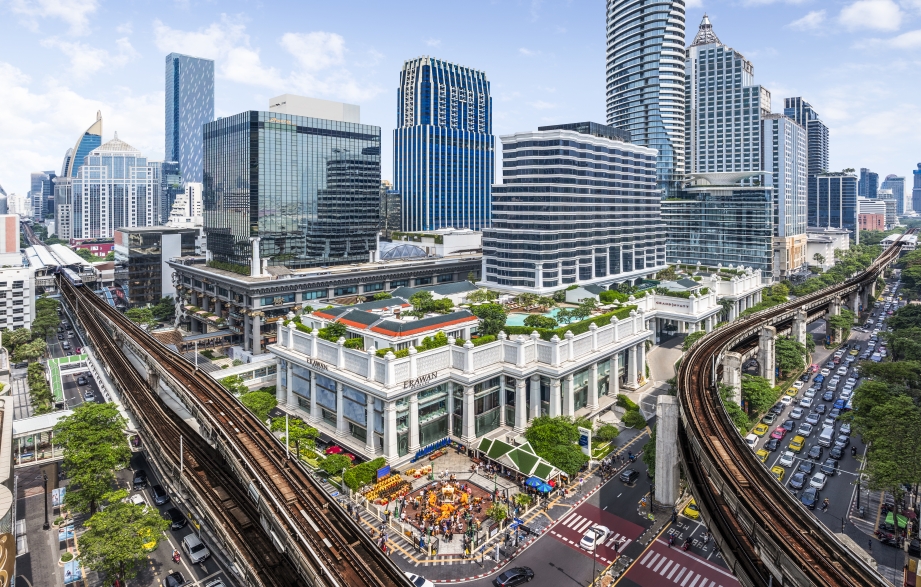
Siam Paragon Presents NEXTOPIA Local Harvest Coffee Fest 2026 - TRAVELINDEXBangkok, Thailand, April 26, 2026 / TRAVELINDEX / Siam Paragon, a world-class destination and the preferred choice for both Thai and international visitors, continues to reinforce its commitment to creating extraordinary experiences and promoting sustainable living. The mall proudly presents “NEXTOPIA Local Harvest Coffee Fest 2026,” taking place from April 23 to May 12, 2026, at NEXTOPIA, 5th Floor, Siam Paragon. The festival invites visitors to explore a reimagined coffee culture that seamlessly blends global heritage with the richness of Thai local communities.

This year’s festival aims to foster a strong and vibrant coffee community while advancing ESG (Environmental, Social, and Governance) principles. By supporting underserved Thai coffee farmers and promoting responsible resource utilization, the event seeks to generate meaningful and lasting positive impacts on society and the environment. In collaboration with the Embassy of Italy and the Istituto Italiano di Cultura Bangkok, the festival presents a series of must-experience highlights:

A Sip of Italy: Where Coffee Becomes Culture
A landmark collaboration between Siam Paragon and the Embassy of Italy, together with the Istituto Italiano di Cultura Bangkok, invites guests to immerse themselves in the artistry of coffee as a global cultural expression.

Italian Passion: The Art of Espresso Exhibition
From World Tour Exhibition Making its Asia debut, this exclusive exhibition showcases a rare collection of espresso machines from Italy, narrating the evolution and heritage of coffee-making through iconic designs across eras.

Exclusive Collaboration Menu
Indulge in specially curated menus created through collaborations between Italian chefs and NEXTOPIA’s renowned restaurants, where Italian coffee is innovatively infused into both food and beverages. Participating venues include Dean & Deluca, Fallabella Little Sister Kitchen, Fatt Chicken and Slim Pig, Fikka, Gelateria Kitokki, Hopsy Story and Nicolo

Talks & Experiences
Engage in insightful discussions exploring traditional Italian coffee culture and global coffee trends, led by distinguished experts flown in from Italy.

Family Workshop & Fun
Creative activities for all ages by Bimbi Italiani, alongside a playful latte art fortune-telling experience guided by Ajarn Tong.

Jazz & Coffee
Celebrate International Jazz Day on April 30 with a live performance by Bruno Brugnano & Bangkok New Trio, honoring jazz as a universal language of freedom.

From Coffee to Creativity – A Family Experience
A special family-focused activity hosted by BIMBI Italiani on April 25.

A Sip of Italy Market
Discover a curated selection of coffee products from various regions, with premium beans available for purchase, supported by the Thai-Italian Chamber of Commerce.

Local Harvest Coffee Market
Experience a community-driven coffee marketplace that promotes fair trade, supporting farmers and small-scale producers from across Thailand. Carefully selected premium coffee beans are sourced from environmentally conscious farms, highlighting a direct trade model that connects growers directly with consumers.

In addition, enjoy exclusive coffee menus from leading cafés at NEXTOPIA, including A Keen, Dean & Deluca, Dots Coffee, Fikka, Nicolo and SC All Day Morning Cafe.

Siam Paragon and NEXTOPIA believe that a single cup of coffee can inspire meaningful change—not only through taste, but by supporting farmers at the source and contributing to a more sustainable world.

Coffee lovers and enthusiasts are warmly invited to be part of this inspiring and sustainable coffee community at “NEXTOPIA Local Harvest Coffee Fest 2026,” from April 23 to May 12, 2026, at NEXTOPIA, 5th Floor, Siam Paragon.

Source

PATA Youth Symposium to be Hosted in Pohang

900 496 wttc2
PATA Youth Symposium to be Hosted in Pohang, One of Republic of Korea’s Industrial Heartlands - TRAVELINDEX

PATA Youth Symposium to be Hosted in Pohang - TRAVELINDEXBangkok, Thailand, April 23, 2026 / TRAVELINDEX / The Pacific Asia Travel Association (PATA) will be organising its first PATA Youth Symposium of 2026 at Lahan Hotel, Pohang, Korea (ROK), on May 11, 2026, from 9 AM–12 PM. The event is supported by the Gyeongsangbuk-do Culture and Tourism Organization (GCTO), Pohang City, and the PATA Thailand Chapter.

Taking place in conjunction with the PATA Annual Summit 2026 (PAS 2026), the Symposium will be aligned with the Summit theme, Navigating Towards a Resilient Future. It is set to examine how the public and private sectors are collaborating in response to rapidly evolving global realities. This is to ensure that the youths are equipped with adaptable skills and knowledge that ease their transition from the educational sphere to the workforce, given the current volatility in the travel and tourism sector.

PATA CEO Noor Ahmad Hamid emphasised the goal of the event, stating, “This symposium is designed to give young people a clearer view of where the industry is heading, the skills that are in demand, and insights directly from experts. It aims to help them better understand what to expect, prepare for their future careers, and provide a platform to share their perspectives.”

He added, “It is a pleasure to collaborate with GCTO, Pohang City, and the PATA Thailand Chapter in bringing this initiative to life. Their support is instrumental in creating meaningful opportunities for the next generation of tourism professionals.”

Nam-Il Kim, CEO, Gyeongbuk Cultural Tourism Organization (GCTO), said, “The PATA Youth Symposium is a meaningful platform where young people, who will lead the future of the tourism industry, can share their creative ideas and passion. We hope that participants from diverse cultures and backgrounds will engage with one another and explore the direction of sustainable tourism together. We believe this symposium will serve as an important stepping stone for participants to grow into global tourism leaders, and we will continue to expand an open platform for collaboration with the younger generation.”

Pohang City Acting Deputy Mayor, Sang-gil Jang, said, “Pohang is honoured to host the PATA Youth Symposium as part of the PATA Annual Summit 2026. As a dynamic coastal city known for its spirit of innovation and resilience, we are excited to welcome bright young minds from around the world to come together, exchange ideas, and shape the future of tourism. We believe that fostering dialogue and collaboration among youth is essential, and we are proud to provide a platform where the next generation of leaders can connect, learn, and be inspired.”

PATA Thailand Chapter Chairperson, Ben Montgomery, said, “At the PATA Thailand Chapter, we have been proud to consistently support PATA Youth by providing them with opportunities to gain first-hand exposure to international events such as the PATA Annual Summit. We strongly believe that empowering young people is essential, as they represent the future of our industry. Through this continued sponsorship, we hope to play a meaningful role in shaping a brighter and more sustainable future for tourism.”

The half-day symposium will feature keynote speeches, interactive panel discussions, and student-led dialogues. Overall, the conference sessions are set to cover a range of timely topics, including best practices for sustainability initiatives, the advancement of heritage tourism through effective stewardship of cultural assets, the evolving usage of artificial intelligence in travel and tourism, and how young tourism professionals can prepare for and shape their future career pathways.

Some of the speakers include Sharzede Datu Haji Salleh Askor, CEO, Sarawak Tourism Board; Jules Shin, Area Manager for Korea, Booking.com; Mike Stewart, Regional GM South East Asia, Intrepid Travel; and Ben-Jie Lim, Chief People & Partnership Officer, AirAsia MOVE. More speakers will be confirmed in due course.

In addition, GCTO will host a networking lunch, providing an opportunity for youth participants and industry professionals to connect and exchange ideas.

Source

SUNx Program Partners with GHE to Launch Impact Expeditions

900 461 wttc2
SUNx Program Partners with GHE to Launch Impact Expeditions for Clean Energy and Digital Learning - TRAVELINDEX

SUNx Program Partners with GHE to Launch Impact Expeditions for Clean Energy and Digital Learning - TRAVELINDEXBrussels/Malta, April 23, 2026 / TRAVELINDEX / The SUNx Program, a global initiative in advancing climate-friendly travel and green growth, has partnered with Global Himalayan Expedition (GHE) to roll out a series of Impact Expeditions aimed at bringing clean energy and digital access to schools in remote regions worldwide.

As part of this collaboration, GHE will serve as the on-ground implementation partner, leveraging its extensive experience in last-mile solar electrification and community-led development across challenging geographies.

Global Expedition Rollout
The initiative will launch three new expedition circuits across:

  • India & Nepal
  • Uganda & Zimbabwe
  • Philippines & Palau, with a focus on Small Island Developing States (SIDS)

These expeditions will install solar-powered systems in schools, enabling reliable electricity while supporting digital learning environments for underserved communities.

Advancing Climate-Friendly Travel
Aligned with the SUNx Program’s vision of climate-resilient, low-carbon tourism, the expeditions will engage global participants in hands-on initiatives that directly contribute to local development, including:

  • Solar installations for schools
  • Supporting digital literacy for students
  • Community engagement and knowledge exchange

Youth at the Core
A key pillar of the partnership is youth engagement, integrating global initiatives such as Dodo4Kids, Earth Charter, and Peace Parks to bring meaningful travel experiences to younger generations, especially across SIDS and Least Developed Countries (LDCs).

Creating Lasting Impact
These expeditions will be designed to deliver long-term outcomes by:

  • Providing reliable clean energy to education infrastructure
  • Enabling access to digital tools and learning
  • Building local capacity for maintenance and sustainability
  • Strengthening global collaboration for climate action

A Shared Commitment
This partnership positions the SUNx Program at the forefront of driving impact-led, climate-conscious travel, with GHE enabling execution on the ground, ensuring that tourism becomes a powerful tool for both community development and climate resilience.

Source

Carbon Neutral Group Reveals Why Sustainability Plans Can Fail

900 506 wttc2
Carbon Neutral Group Reveals Why Sustainability Plans Can Fail - TRAVELINDEX

Carbon Neutral Group Reveals Why Sustainability Plans Can Fail - TRAVELINDEXLeeds, England, April 23, 2026 / TRAVELINDEX / Carbon Neutral Group, one of the UK’s fastest-growing carbon neutral and sustainability consultancies has revealed why some businesses have sustainability plans that can fail and how brands can prevent this happening.

Most organisations now recognise the need for credible sustainability action and the competitive advantage it has on the brand. They publish bold commitments, set net-zero targets and launch initiatives with genuine enthusiasm, yet many of these strategies stall, lose momentum, or quietly fade into the background.

The issue is never a lack of ambition from the business but more of a lack of alignment, ownership, and practical budgets.

Carbon Neutral Group looked into why sustainability strategies failing could be the first step to building one that delivers impact.

Lack of Senior Leadership Support
Senior leadership involvement in a sustainability plan can be what makes or breaks its success. If the C-suite doesn’t buy into it, making business changes or decisions on how the business operates is a little tricky. The senior buy-in gives businesses time, resources and decision-making powers that can affect things like where the business buys their utilities from, through to encouraging people to commute or travel in greener ways.

How to fix it:

  • Translate ‘Carbon Neutral’ into Business Value, e.g. revenue growth, compliance, brand image.
  • Demonstrate the risk of doing nothing. Loss of competitive advantage.
  • Build a financial case. Going green may have a higher initial cost, however, over time, that cost drops, and it becomes cheaper than doing nothing.
  • Create a roadmap of change so it’s more palatable.

No Clear Ownership or Accountability
A strategy without more than one person owning it and driving it, becomes a strategy without efficient progress. Many organisations rely on a single sustainability lead with no authority, budget, or cross-functional support, which can delay progression.

How to fix it:

  • Assign clear owners for each part of the strategy.
  • Build sustainability KPIs into each departmental strategy.
  • Ensure senior leadership buys into the plan going forward and sponsors the work.

Data Is Poor, Incomplete, or Ignored
Data is the backbone of sustainability. With good data records, businesses can make decisions that will create a positive and meaningful outcome. Without reliable data, the decision making process becomes more of a guesswork and progress becomes invisible.

How to fix it:

  • Use dashboards that translate data into insights. Businesses need to start with a robust baseline.
  • Be clear about what data is needed to create your sustainability plan and reporting and why.
  • Automate data collection where possible.

The Strategy is too Broad or Unrealistic
Starting the journey to being carbon neutral is exciting, however, it is also about setting goals and ensuring that those goals are realistic and achievable. Trying to do too much too soon can overwhelm different teams and lead to a stall.

How to fix it:

  • Break long-term targets into achievable, shorter-term and quick-win milestones.
  • Review Scope 1 & 2 first as they are the easiest to obtain data for and show early results.
  • Prioritise high-impact areas first.
  • Focus on three – five strategic areas to create change on.

The Culture Doesn’t Support the  Change
When embarking on a sustainable journey, the team is the key component to success. Sustainability fails when it’s seen as “extra work” rather than “how we work.”

How to fix it:

  • Build sustainability into onboarding and training plans.
  • Celebrate the progress of the team publicly, with incentives.
  • Demonstrate how this is benefiting the business and its employees.
  • Provide practical tools and guidance for the team to be able to do what they need to do to hit those sustainable objectives.

The Organisation Doesn’t Engage its Supply Chain
Most emissions sit outside the direct control of the business. This could be in areas such as purchased goods, logistics, and product lifecycle impacts. The idea of going through a supply chain from end to end, sending out questionnaires and retrieving data isn’t something a business wants to take on at times. If this is the case, outsourcing to a third party or employing new team members to help will be crucial.

How to fix it:

  • Engage suppliers early.
  • Set goals and prioritise the top spending suppliers.
  • Introduce sustainability criteria into procurement.
  • Collaborate on shared reduction initiatives.

Communication is Poor or Inconsistent
A strategy can fail simply because people don’t know what it is or what they’re expected to do either as part of a team or as an individual. Without the team members knowing what is needed, this can quickly lead them to disengage.

How to fix it:

  • Communicate progress frequently.
  • Look at having a sustainability champion per department.
  • Use simple, engaging language.
  • Share stories of real change.

Sustainability today is becoming an industry standard, however there is still a battle for organisations and for people to understand why they are needed. A successful sustainability strategy is commercially aligned, owned across the organisation from senior leadership down, based on good data, focused on material impacts, supported by culture, and is designed to evolve as the business and industry does.

Carbon Neutral Group helps businesses with their journey to net-zero, where sustainability isn’t just a side project, but a strategic transformation that strengthens resilience, reduces risk, and creates long-term value for brands.

Source