

Posts By :

wttc2

Michel Reybier Hospitality Buys Boutique Hotel L’Oscar London

500 301 wttc2

Michel Reybier Hospitality Buys Boutique Hotel L’Oscar London - TOP25HOTELS.com - TRAVELINDEXLondon, United Kingdom, April 30,2022 / TRAVELINDEX / The hotel group Michel Reybier Hospitality is taking over the exclusive boutique hotel L’Oscar London. The 39-room hotel, which was recently completely redesigned by the renowned architect Jacques Garcia, is Michel Reybier Hospitality’s first hotel outside France and Switzerland.

With L’Oscar London, Michel Reybier Hospitality is expanding its portfolio with another unique hotel in an attractive destination. Part of this property was once a Baptist Church and was built in 1856 in the Victorian style. Between 1901 and 1903 the building was extended to become the headquarters of the Baptist Church in England. The building is located on Southampton Row, nestled between Covent Garden and Bloomsbury, not far from the British Museum. The name L’oscar pays tribute to the world-famous writer Oscar Wilde. It ties into the literary and history of the area, as it was home to a group of associated writers, philosophers and artists including Virginia Woolf, E.M Forster and Lytton Strachey, known as the ‘Bloomsbury Set’.

Listed Grade II* and considered as a particularly important building of more than special interest in the United Kingdom, the hotel is not only the first of the group in London, but it was also the first time that the renowned architect Jacques Garcia created the interior design of a hotel in London. True to his style, the Frenchman lent the rooms opulence and, above all, atmosphere with a keen sense of history and attention to detail.

The boutique hotel, which opened in 2018, has 39 spacious rooms. From the Superior Room to the L’oscar Suite, each Garcia-designed room has its own unique charm, many with fireplaces and, of course, the latest technology.

The Baptist Bar is set in the former chapel, featuring an octagonal dome. One of the eye-catchers at L’oscar Restaurant is the illuminated onyx bar. The house, which is filled with many arts and craft treasures, also has a beautiful oak-lined library and The Committee Room, which is adorned with an original fireplace engraved with a scene from John Bunyan’s The Pilgrim’s Progress, is perfect for smaller events.

About Michel Reybier Hospitality
For more than 20 years, Michel Reybier has been blazing the trail for a singular, highly contemporary vision of luxury and hospitality. In both Switzerland and France, each of the Michel Reybier Hospitality destinations upholds his cherished values of excellence, authenticity and simplicity. Whether in a hotel, a villa or a private apartment, in the mountains or by the sea, in the countryside, in the heart of the vineyards or in the city… A sole requirement: namely exceptional places that throb with a distinctive emotion. A sole ambition: to share a refined art of living, dedicated above all else to our guests’ well-being and pleasure. This holistic approach is based on unforgettable experiences, where sport, food, wellness and passion form an inseparable whole. This approach is supported by the medical expertise of Nescens, whose ultimate goal is to ensure people live better, healthier lives for as long as possible. The promise of instilling meaning into each and every moment.

First published at TravelNewsHub.com – Global Travel News

Accor Hotels to Launch First Mercure in Takayama

500 290 wttc2

Accor Hotels to Launch First Mercure in Takayama - HOTELWORLDS.com - TRAVELINDEXTakayama, Japan, April 29, 2022 / TRAVELINDEX / Accor Hotels is set to welcome its first hotel in Takayama, Japan, with the signing of Mercure Hida Takayama. Inspired by the reinterpretation of Takayama’s traditional handicrafts, the hotel brings warmth and tranquil touches, enriched with modern hotel experiences allowing travellers to fully immerse in the destination. The hotel is set to open in December 2022.

Takayama is a city in the mountainous Hida region of Gifu Prefecture. The famous Historic Villages of Shirakawa-go, a UNESCO World Heritage site, are within convenient access by bus. Located in the heart of Takayama, the Sanmachi Historic District will transport travellers back to the Edo Period with its preserved wooden merchant houses and small museums. Local treats and original Sake breweries await to be discovered. The city is also famed for its biannual Takayama Festival, one of the most beautiful festivals to celebrate spring and fall.

Located in the heart of the city within a four-minute walk from Takayama JR Station, Mercure Hida Takayama offers 161 beautifully designed guestrooms and two dining experiences. The highlight facilities include the indoor and outdoor onsens on the top floor, which allow guests to unwind while enjoying the beautiful scenery of Takayama.

“Accor remains positive in Japan’s strong tourism potential and we are delighted to expand our network in the country to offer unique and authentic hotel experiences for local and international travellers. As one of the largest international operators in Japan, we are excited to be taking the Mercure brand into Takayama, a charming cultural destination. Mercure Hida Takayama will be a great showcase for a locally-inspired hotel, where the decorative design is rooted in authentic values. In partnership with Samty, we believe the hotel will become an exciting addition to the Japan hotel scene. Mercure Hida Takayama will offer travellers yet another breath-taking base to explore the beautiful experiences the city has to offer,” said Garth Simmons, Chief Executive Officer, Accor Southeast Asia, Japan and South Korea.

Mercure, one of the world’s most expansive midscale brands, is locally inspired to reflect the distinct character and culture of each destination in which it resides, through design, dining and local experiences. Mercure believes that travel connects guests to the locality and people.

Accor currently operates 18 hotels across eight destinations in Japan. Mercure Hida Takayama will become the 7th Mercure hotel in Japan and will join a collection of over 810 Mercure addresses globally across 60 countries.

First published at TravelNewsHub.com – Global Travel News
VERY INTERESTING: Air Transat and Westjet launch Transatlantic codeshare

1080 458 wttc2

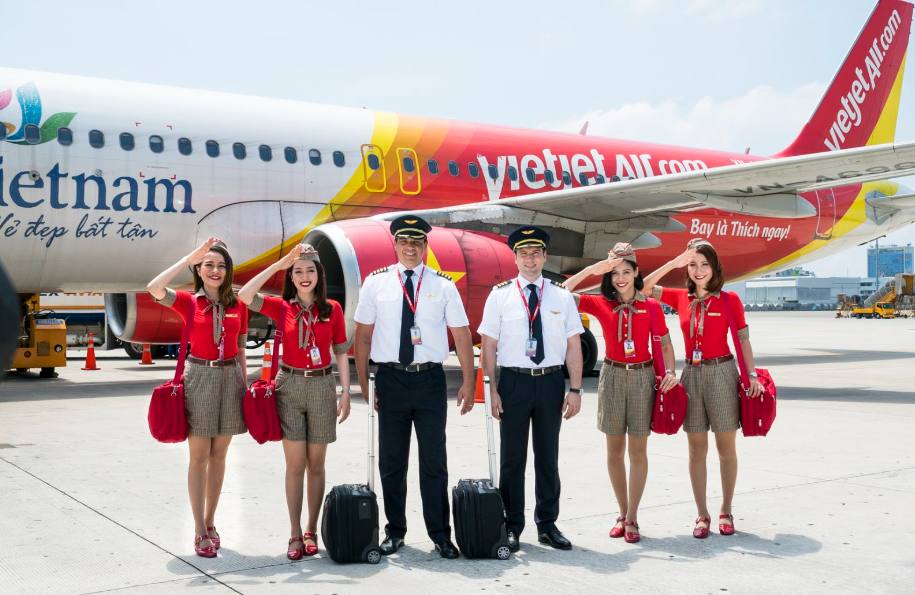
Air Transat and WestJet have launched a new transatlantic codeshare. WestJet’s “WS” code is now activated for sale on select Air Transat operated flights to/from France, Italy, Spain, Portugal, Switzerland, and Croatia. Connections via Montreal and Toronto are now available for flight dates beginning May 17.

On May 4, Air Transat’s “TS” code will be activated on select WestJet flights, and from that date Air Transat will also offer itineraries connecting select WestJet flights with appealing Air Transat European destinations.

“We are very excited to launch this codeshare agreement with WestJet,” said Michèle Barre, Vice President, Network, Revenue Management and Pricing of Air Transat. “The complementarity of our respective networks allows us to offer more alternatives to our customers, providing them with a quality and affordable product. This partnership is part of Air Transat’s development strategy, enhancing our long-standing presence in the transatlantic market.”

“This new codeshare with Air Transat complements our growing global network, allowing WestJet to offer guests exciting new destinations in Europe,” said John Weatherill, Chief Commercial Officer, WestJet. “As our guests return to travel, these new options will connect North America and Europe in new ways and benefit guests on both sides of the Atlantic.”

With this new codeshare, travellers have more options for their transatlantic travel, with conveniences such as a single purchase for connecting flights, the ability to check in for all flights at their first departure, and baggage checked through to their final destination.

Once activated, both Air Transat and WestJet codeshare ticket sales will be available via the carriers’ websites and call centers, as well as via major GDS systems and travel agencies.

Subject to connectivity between their scheduled flights, Air Transat and WestJet will both offer the following transatlantic routings:


First published at Travel Industry Today

First published at TravelNewsHub.com – Global Travel News
FOODIE ITALY:Italian Cooking Class (delivered in English) in the Le Marche region

1080 364 wttc2

Let’s face it, vacations are all about the food; and there is only one true way to get to know a region’s food – you need to go there and eat the food amongst the people who cook it and eat it every day. That way its seasoned by the fertile lands and spirited traditions of the region.

Whilst planning a long-stay trip to Italy be sure to include at least one cooking class.

Finding a good Italian cooking class, delivered in English, can be a challenge. Which is where British expat, Chef Lucy Hayward, saw an opportunity and through Casa Lucia shares her love of food and culinary skills with English-speaking visitors.

Her ‘roaming cooking classes’, which operate in the general Le Marche region, could travel to your holiday villa, or you could drive out to the scenic Tolentino area and book a day in the kitchen of Casale delle Rondini, the B&B Experience that partners with Lucy.

Four eager (and hungry) students, ready to learn.

The day starts in a local open-air farmer’s market. Under the guidance of Chef Lucy, we learn what to look for when picking ingredients that are unspoilt, full of honesty and freshness, and comes from soil that hasn’t been messed with.

Armed with bulging paper bags, containing Aubergines (eggplant), tomatoes, herbs, spices, and some pasta flour, we head to a local kitchen for the day’s tuition. After the first Prosecco cork is popped, we began cleaning and preparing for the feast.

If you want hands-on training in traditional Italian cooking, this is it.

As all things should, the food prep began with dessert: Lavender panna cotta – the sort of dessert one might consider if angels were coming to dinner: a fragile mound of sweetened cream, speckled with edible lavender, and set with a single leaf of gelatin.

Lucy explains that the heart and soul of this recipe is the cream. “Don’t use anything less than the best as this provides the principal texture and flavour. I do like to buy Marchigiani cream where I can.” She explains too that you need just a little sugar, less than most recipes suggest.

Each of Italy’s regions boast a distinctive cuisine – Marche is known for their bold flavours.

With dessert still in mind, we continued and prepared Almond Cantuccini – the unmistakable diagonally cut, twice-baked biscuits – Italy’s best-known cookies – perfectly paired with a glass of vin santo. Lucy suggested we form the dough into small loaf shapes and bake them for around 20 minutes then, when slightly cooled, slice them, then bake for a second time, until dry.

With the panna cotta setting in the fridge, and the Cantuccini cooling on the oven racks, the focus shifts to Focaccia: a fragrant bread, topped with a handful of cherry tomatoes and fresh basil. It’s a simple, classic Italian bread, served alongside pasta dishes. Today we married ours to a crispy Fennel & Orange salad.

With the kitchen filled with laughter, we move onto building an Aubergine Parmigiana. It’s a layered affair of eggplant, lavish handfuls of mozzarella and parmesan (every time I smell cheese like this, I get emotional) and plump tomatoes, baked in the oven.

Ingredients tend to end up in recipes for different reasons. Sometimes it’s because they come from the same part of the world. Like peppers, and tomatoes, things that grow in the same soil. It’s like they were always meant to share a pot. As was the case here.

A hands-on cooking class that has you making pasta.

For me, this was the one I feared most; the one I’d not master – making the pasta dough from scratch! It was surprisingly easy; all it took was ‘00’ flour, a couple of eggs and some wrist action for kneading. Then it was fed into a pasta machine, producing wafer thin sheets to create the Ravioli.

Lucy asserted herself: “I need to be able to read the newspaper through those pasta sheets.”

Using an obscure object, Ravioli shapes were cut out, then filled with roasted butternut, crumbed ricotta, nutmeg, later dressed in browned butter oozing with sage, and walnuts, then sprinkled with grated parmesan. The filling was light on the cheese, and heavy on the butternut, making them healthy, with a sweet-savory flavor that perfectly complements the sage butter sauce.

Lucy explained that cooking the pasta needs the water to be just simmering – boiling water will tear or break the pasta; it’s also easier to ascertain when the pasta is perfectly cooked.

Dining at a table groaning under the weight of an Italian banquet.

The day-long cooking marathon finished in the late afternoon. We gathered at the table where aromas hovered above the plates. We drank wine, chatted, laughed, and feasted on the essence of Italy.

When the Ravioli appeared, a hush descended on the table. I placed the first circle of Ravioli on my tongue; al dente, just how it should be. I lifted my tongue to the roof of my mouth and felt the Ravioli flavors merge and melt. I could tell the ingredients had spent sufficient time together to get to know one another. It was a perfect parcel of butternut, ricotta, nutmeg, and sage butter sauce.

This was where my love affair with Italian food began. It was a religious experience, central heating for my soul, love at first bite, catnip even. I drew it out for as long as I could as I knew I would never get to taste Ravioli like this again. Ever.

When we parted company, we did so with embraces, promises to stay in touch, food to take home, and the recipes of all we’d cooked.

By special arrangement, Lucy can create a bespoke menu for an Italian cooking class at your holiday villa in the Le March region. Alternatively, request attendance at a class hosted by Casale delle Rondini, a gorgeous B&B that collaborate with Lucy’s cooking school.

Cooking class rates €150 per person.
www.casalucia.org

About Lucy:
Although Lucy now lives and works in Italy, her heritage is Polish. Her love of food was born at the knee of her Polish grandmother and mother, who cooked what in Italy is referred to as ‘cucina povera’ the cooking of the poor or peasant. It’s a cooking style which focuses using every morsel, and has one re-evaluate what gets binned – like the outer leaves of a cabbage or cauliflower. Sliced thinly and tossed in olive oil and a drizzle of butter, salt, and pepper, delivers a punchy and tasty side dish, or a more substantial meal if mixed with other veggies. All this from something most of us would throw out, or at best, feed to the chickens.

This love of maximizing food value is evident throughout the Le Marche region. This, alongside the quality of local produce and attending numerous cookery schools, is what convinced Lucy to move to Italy. A real ‘dream come true’.

Where to sleep

The village of Tolentino (Le Marche region) is just 30 minutes from both the famed Sibillini mountains and the beautiful Adriatic coast. Here, surrounded by rolling green hills, you’ll find Casale delle Rondini, an elegant 2-bedroomed B&B, which also has a private apartment. The double rooms are tastefully restored to their terracotta and pastel rustic roots. Complete with spacious ensuite bathrooms, the establishment has all the whistles and bells for 21st century living.

Other than birdsong, there is no noise and peaceful tranquility as there are few people in the area. Yet we are close enough to the ancient cities for day trips.

Start the day with a substantial Continental breakfast in the gazebo, taking in the views across the manicured garden, the swimming pool, and the mountain villages beyond. Your hosts Francesco and Robert will suggest places to visit and advise about the best restaurants suited to your palate.

Room rates €120 ($162) per night
info@oliviotree.com
Instagram: casaledellerondinitolentino

First published at Travel Industry Today

First published at TravelNewsHub.com – Global Travel News

AC Hotels by Marriott Debuts in South Korea, Striking a Perfect Balance in the Heart of Seoul

840 594 wttc2

AC Hotel by Marriott Seoul Gangnam Lobby

AC Hotels by Marriott®, the design-led lifestyle brand part of Marriott Bonvoy’s portfolio of 30 extraordinary brands, today announced the opening of AC Hotel by Marriott Seoul Gangnam, marking its debut in South Korea. Featuring 274 guestrooms and one-of-a-kind private pool suites, the new hotel sets to deliver an effortless travel experience that strikes the perfect balance between everything you need, and nothing you don’t, in the capital of South Korea.

“We are thrilled to introduce the AC Hotels brand to South Korea with the opening of AC Hotel by Marriott Seoul Gangnam,” said Jeff Tomczek, Global Brand Leader of AC Hotels. “Seoul is known for its vibrant design scene, making the design-led AC Hotels brand an ideal fit for the city. The hotel is set to offer a perfectly orchestrated experience based on purposeful design, flexible spaces and carefully crafted experiences, which will empower our guests to be more creative, productive and fulfilled.”

The new hotel is located in the Yeoksam-dong area of Gangnam district, which is home to the corporate headquarters of many multinational companies and upscale shopping, dining and entertainment venues. Guests who seek immersive cultural experiences can explore the city’s historical wonders including UNESCO World Heritage Sites Seonjeongneung and Bongeunsa Temple. Design-conscious travellers should not miss the iconic fashion and shopping hubs Dongdaemun Design Plaza and the Chung-dam district. Travellers can reach the hotel within 60 minutes by car from Incheon International Airport, providing easy access for international and domestic travelers.

AC by Marriott Seoul Gangnam_Premier room.jpg
AC Hotel by Marriott Seoul Gangnam Premier Room

AC Hotel Seoul Gangnam is set to attract next-gen guests with modern aesthetics and open layouts that offer functional beauty without distractions. Embracing AC Hotels’ focus on harmonious design and tailored style, each room is free of clutter to maximise the sense of openness and remove friction from guests’ travels. Guestrooms offer modern design with sleek furnishings, open closet system, and hardwood floors. The hotel also offers four spacious Premier Pool Rooms and a Premier Pool Suite, featuring private swimming pools and sunbeds on their terraces, with premium amenities that include Bluetooth speakers, Nespresso coffee machines, air purifiers and Korres toiletries.

The brand’s signature offerings include the Spanish-inspired AC Kitchen, an all-day dining restaurant, which serves daily buffets with local and international favourites in a modern minimalist setting. The Rooftop bar Kloud features floor-to-ceiling windows and an outdoor terrace, where guests can enjoy crafted cocktails and snacks overlooking spellbinding evening views of the city center and beyond. The signature AC Lounge®, a comfortable and elegant space, allows guests to relax and socialise over artisan coffee, tea and crafted beverage.

Fitness enthusiasts can take advantage of AC Fitness, the hotel’s sleek gym equipped with modern cardio equipment and free weights. After a strenuous workout or at the end of the workday, guests can find deep relaxation at the hotel’s sauna. Guests traveling with young children are welcome at the Kids Lounge, an indoor playground operated in collaboration with Kids Skolle, an educational program for infants and toddlers.

The hotel offers 2,346 square feet of flexible function space, accommodating up to 130 people. Fully equipped with advanced audio-visual capabilities, video meetings and live streaming services, the space is perfect for hosting events of any special occasions. The sophisticated event space features floor-to-ceiling windows with natural sunlight, as well as a large LED media wall that allows for the creative use of mixed media during meetings and events. The rooftop terrace is also the perfect venue for intimate social gatherings and on-trend minimalist wedding receptions.

“We are thrilled to be the first AC Hotel to open in South Korea. AC Hotel by Marriott Seoul Gangnam features the brand’s signature modern European-inspired design. Our purposefully designed public spaces and seamless guest experience thoroughly reflect all lifestyles, not only for leisure travelers but also for business guests. We look forward to providing guests the Perfectly Precise Hotel™ experience while they discover the charms and contemporary culture of Seoul,” said Kim Bong-jae, General Manager of AC Hotel by Marriott Seoul Gangnam.

For more information or reservations, please visit www.marriott.com/selag

About AC Hotels by Marriott®
AC Hotels includes over 195 hotels in more than 27 countries and territories. At AC Hotels, every moment has been designed, refined, crafted, and considered to create a seamless guest experience. Each AC Hotel features purposefully designed signature spaces that strike the perfect balance of form and function. Most notably, the AC Lounge® invites guests and locals alike to collaborate during the day, or to enjoy signature cocktails and tapas in the evening. The AC Kitchen offers a European-inspired breakfast each morning. All AC guest rooms and public spaces evoke a particular sophistication, featuring sleek furnishings, curated artwork, and intuitive technology. The brand is dedicated to the details that matter most to guests during their travels with a mission to deliver The Perfectly Precise Hotel™ experience. For more information, visit www.ac-hotels.com and follow along on Facebook, Twitter, and Instagram. AC Hotels is proud to participate in Marriott Bonvoy®, the global travel program from Marriott International. The program offers members an extraordinary portfolio of global brands, exclusive experiences on Marriott Bonvoy Moments, and unparalleled benefits including free nights and Elite status recognition. To enroll for free or for more information about the program, visit marriottbonvoy.com.

About Marriott Bonvoy®
Marriott Bonvoy’s extraordinary portfolio offers renowned hospitality in the most memorable destinations in the world, with 30 brands that are tailored to every type of journey. Members can earn points for stays at hotels and resorts, including all-inclusive resorts and premium home rentals, and through everyday purchases with co-branded credit cards. Members can redeem their points for experiences including future stays, Marriott Bonvoy Moments, or through partners for luxurious products from Marriott Bonvoy Boutiques. To enroll for free or for more information about Marriott Bonvoy, visit marriottbonvoy.com.

Read original article at Marriott Hotels

First published at TravelNewsHub.com – Global Travel News

The Healing Power of Trust

1080 485 wttc2

The Healing Power of Trust - TRAVELINDEXHong Kong, Hong Kong SAR, April 28, 2022 / TRAVELINDEX / In today’s globalised world, more and more hotel firms are expanding their business overseas. Yet success in the international arena may not translate into success at home, warn Dr Alice H. Y. Hon and Mr Emmanuel Gamor of the School of Hotel and Tourism Management (SHTM) at The Hong Kong Polytechnic University. With skilled managers from overseas paid 10 times more than local employees, frontline and service-oriented hotel workers are feeling increasingly disillusioned. With service standards falling, how can multinational hotel corporations build harmony between their local and overseas employees? The answer lies in trust, say the researchers, whose study offers timely and important insights for the Chinese hospitality industry.

The last four decades of globalisation have seen radical changes in the organisational management and human resource composition of hotel firms in China. To compete in the international service market, firms are increasingly filling key strategic positions with skilled workers from abroad. “In the modern hospitality industry, multinational hotel corporations rely on expatriate managers to succeed”, say the researchers.

To attract, motivate and retain these valuable employees from overseas, it is standard practice to set their wages to the market conditions in their home country. Their salaries can be an astounding 10 times higher than those of local workers, whose pay is calculated according to local labour market conditions. Unsurprisingly, note the authors, this can lead to “perceived injustice among employees,” especially given that compensation goes beyond money—it can represent an employee’s worth, status and power.

The problem of disgruntled local employees is not trivial, and multinational hospitality corporations should not underestimate the extent to which this might threaten their own survival. Local employees who resent their expatriate superiors and the organisation are less satisfied, motivated and committed. They may engage in “deviant behaviours, service sabotage, or antisocial behaviours affecting service quality”, report the researchers. Faced with this problem, multinational hotel companies must find ways to mitigate the negative effects of the compensation gap on local employees’ work-related outcomes.

In multicultural environments with a vast chasm in pay grades between local and overseas employees, it can be challenging to develop and maintain local employees’ trust in their expatriate superiors – and even in the organisation as a whole. Companies must satisfy the salary expectations of highly skilled expatriate managers while addressing any potential bitterness felt by local employees. Successfully fostering trust can reduce the negative outcomes associated with a sense of inequity. High levels of trust “can positively influence several work outcomes, such as job performance, organisational citizenship behaviour, and productiveness”, say the authors.

Referring to well-established theories of the different forms of trust, the researchers surmised that trust in expatriate supervisors and the organisation can be knowledge-driven or emotion-driven. Knowledge-driven “cognitive trust” is based on a track record of competence, reliability and fair treatment, and might allow local employees to see beyond the pay gap. The researchers reasoned that instilling cognitive trust “gives the impression that expatriate managers have the competency, key knowledge, and ability to work at a high level, and so it is right that they receive more compensation than local employees”.

Emotion-driven “affective trust” is born from an interpersonal connectedness, through which local employees feel cared for by their expatriate managers. Affective trust in expatriate managers can be formed via friendly interactions and expressions of personal concern in local employees’ well-being, which “weakens uncertainty and increases psychological safety among employees”, explain the authors. Recognising the potential for these two dimensions of trust to curtail the negative effects resulting from compensation gaps, the researchers set out to define their influence on various work-related outcomes.

To capture real-world experiences and attitudes, the authors approached team members of multinational hotel corporations in Xian, China. They included 286 front-line or low-level local employees and 32 of their expatriate supervisors, who were middle- or upper-level managers. Most of the local employees interviewed had been supervised by an expatriate manager for 1 to 5 years. The expatriate supervisors were primarily from Hong Kong or Taiwan, Europe, and North America, and 68.1% of them had lived in China for at least 6 years.

The local employees completed a comprehensive questionnaire that measured their perceptions of the compensation gap between local and expatriate employees, as well as their cognitive and affective trust in their expatriate superiors, their satisfaction with their expatriate supervisors, general work satisfaction, and commitment to their organisation.

As well as collecting these valuable data from local employees, the authors asked the expatriate supervisors to give scores for the local employees’ altruism, by reporting their willingness to offer help in the workplace. A sample item was “This individual is inclined to help me find solutions to work-related problems”.

The next step was to conduct a thorough statistical analysis of the interview data to measure the precise connections between compensation, work attitudes and trust among local and expatriate employees.

As expected, when the local employees perceived the compensation gap to be larger, they were more dissatisfied with their expatriate supervisors and less willing to help them. They were also less satisfied with their jobs and – most strikingly – less committed to their organisations. This, report the researchers, confirms the previous finding that “the compensation gap is one of the main contributors to counterproductive work outcomes among employees in the hospitality industry”. Interestingly, however, local employees’ resentment was mostly directed towards the organisation, rather than towards their expatriate managers.

“This may cause local employees to leave organizations with a greater perceived unjust compensation gap”, warn the authors, “contributing to high labour turnover in the hospitality industry”. This finding underlines the urgent need for multinational hospitality corporations to generate a sense of fairness that counteracts the negative effects of substantial pay gaps. One possibility is the introduction of non-financial perks for local employees, such as additional training and insurance.

The researchers also found that stronger cognitive trust weakened the negative effect of a wide compensation gap on the local employees’ job satisfaction and organisational commitment. Clearly, multinational hotel corporations need to develop strategies to boost local employees’ faith in the abilities of expatriate managers. “Management must ensure that expatriates maintain high levels of competence, reliability, skills, professionalism, and honesty”, say the authors, “by enforcing checks and balances through staff feedback and evaluation”.

Affective trust also moderated the negative effects of a compensation gap. Local employees who felt more cared for by their expatriate managers reported greater satisfaction and showed more altruistic behaviour. “The management of multinational hotel corporations should encourage expatriates to show a genuinely welcoming, kind, and caring attitude towards the local employees they supervise”, suggest the researchers. “Expatriates should remind subordinates of their roles, celebrate their achievements, and show how much they care about them”. This will help to foster affective trust and mitigate local employees’ sense of injustice.

In the modern hospitality industry, multinational hotel firms rely on expatriate managers to succeed. The findings of this novel study offer profound insights for Chinese hotel firms operating overseas, which must find effective ways to legitimise the pay gap between local workers and their expatriate superiors. This could come in the form of trust-building policies, especially those that capitalise on the distinct effects of cognitive and affective trust. Strategies for instilling cognitive trust can enhance task-related work outcomes, while promoting affective trust can improve personal work outcomes. “Trust should be considered carefully in strategic planning and academic inquiry,” conclude the researchers. This will become ever more important as China’s hospitality firms continue to expand overseas.

Hon, Alice H.Y. and Gamor, Emmanuel (2021). When My Pay is Lower than My Expatriate Colleagues: Where Do the Hospitality Managers Go from Here? International Journal of Hospitality Management, Vol. 95, 102953.

First published at TravelNewsHub.com – Global Travel News

Metropole Hanoi Awarded Five-Star Rating by Forbes Travel Guide

1080 658 wttc2

Metropole Hanoi Awarded Five-Star Rating by Forbes Travel Guide - TOP25HOTELS.com - TRAVELINDEXHanoi, Vietnam, April 28, 2022 / TRAVELINDEX / For the third consecutive year, Sofitel Legend Metropole Hanoi has been awarded Forbes Travel Guide’s prestigious Five-Star rating—the top level of recognition—in the independent rating agency’s assessment of luxury hotels, restaurants and spas.

Discover Vietnam’s and the World’s Best Luxury Hotels with Prestigious Hotel Awards at Top25Hotels.com

Forbes Travel Guide describes the Metropole as “Hanoi’s grande dame” and praises it as “a supremely beautiful hotel, inside and out. Every corner is a compelling photo opportunity, especially in the gleaming historic wing and all-white inner courtyard.”

“Sofitel Legend Metropole Hanoi draws deeply from a century of stories to weave a rich, nostalgic guest experience in the heart of the Vietnamese capital,” the review says. “For those seeking a taste of Old Hanoi, the Metropole’s creaky central stairs, polished wood furnishings and elegant rooms are an authentic throwback to another era.”

In Vietnam, two hotels earned Five-Star ratings and three received Four-Star ratings for 2022.

Forbes Travel Guide, established in 1958 (then called Mobil Travel Guide), is the oldest travel guide in the United States, and is the creator of the original Five-Star rating system for hotels. The guide’s ratings are among the most highly respected in the hotel industry.

The Five-Star rating is meant to designate “outstanding, often iconic properties with virtually flawless service and amazing facilities.”

While Metropole’s luxurious accommodation and historic facilities came in for much praise in the 2022 guide, service reigns supreme at Forbes Travel Guide. However beautiful the hotel’s ‘hardware,’ it was its ‘software’ – its warm, personalized and attentive service both in the hotel and in its award-winning restaurants and spa – that secured the Forbes rating.

Metropole Hanoi’s rich history, including its Path of History (and wartime bunker) tour, are also spotlighted in Forbes Travel Guide’s review, while afternoon tea at Le Club Bar, coffee at La Terrasse and cocktails at Bamboo Bar are described as experiences that have evolved into “must-do Hanoi traditions.”

Moreover, Le Spa du Metropole “is a sublime urban retreat… ensconced in what feels more like an elegant residence than a wellness center,” the review adds.

In order to complete their evaluations, inspectors pay their own way and stay anonymously as typical guests for at least two nights. Forbes Travel Guide bills itself as the only independent, global rating agency for luxury hospitality, and says that only 20 percent of all hotels it rates earn a Five-Star rating.

Once again this year, Forbes Travel Guide also recognized Metropole Hanoi with its “Sharecare VERIFIED” badge for completing and maintaining verification on more than 360 global health security standards. Metropole Hanoi was one of three Vietnam hotels to receive this distinction.

The comprehensive assessment covers health and hygiene protocols, cleaning products and procedures, masks and personal protective equipment (PPE), ventilation, management accountability, and health safety communication with guests and employees.

Discover the World’s Best Luxury Hotels with Prestigious Hotel Awards at Top25Hotels.com

“Health security verification gives you the peace of mind that each hotel is committed to expert-validated best practices for your safety and comfort,” Forbes Travel Guide says of the Sharecare VERIFIED badge on its website.

For booking or other information, please  call +84 24 3826 6919.

First published at TravelNewsHub.com – Global Travel News

United Nations World Tourism Organization Members Suspend Russia

500 326 wttc2

United Nations World Tourism Organization Members Suspend Russia - TRAVELINDEXMadrid, Spain, April 28, 2022 / TRAVELINDEX / The Russian Federation has been suspended from the World Tourism Organization (UNWTO), losing with immediate effect its rights and privileges as part of the United Nations specialized agency.

Meeting for a first extraordinary UNWTO General Assembly, Members debated the suspension of Russia from the Organization, as decided by the UNWTO Executive Council at its emergency meeting last month. The Russian delegation declined to step up and defend its position, and instead announced its withdrawal from UNWTO before the debate took place.

Read all the latest UNWTO News and Updates here.

The Assembly voted in favor of suspension, far exceeding the two-third majority required. The decision is effective immediately, while voluntary withdrawal is only effective one year after a Member submits an official communication through the appropriate channels.

Tourism is a pillar of peace and international friendship, and Members of UNWTO must uphold these values or face consequences, with no exceptions.

UNWTO Secretary-General Zurab Pololikashvili said: “UNWTO’s Members have sent a clear message: Tourism is a pillar of peace and international friendship, and Members of UNWTO must uphold these values or face consequences, with no exceptions. This emergency General Assembly shows that Russia’s actions are indefensible and contrary to the very principles of UNWTO and of international governance.”

Loss of rights and privileges

In total, 99 countries were represented in Madrid. According to Article 3 of the Statutes, all Members commit to developing tourism with a “view to contributing to economic development, international understanding, peace, prosperity, and universal prospect for, and observance of, human rights”.

Effective immediately, the Russian Federation will not be able to exercise the rights or enjoy the privileges of UNWTO membership. This means it will not be able to receive services from the Organization, including Technical Assistance, nor will the Russian Federation be able to participate in any UNWTO meetings or events, be permitted to put forward any candidates to serve on UNWTO’s statutory bodies, or to vote in elections to UNWTO organs or to propose a candidate to serve as Secretary-General.

Fulfilling Members’ requests

The first emergency session of the General Assembly was convened at the request of six Members and at the instruction of the UNWTO Executive Council. The UNWTO Secretariat then provided a comprehensive report to the General Assembly for Member States to take an informed decision in relation to Russian Federation’s suspension from membership, following the Organization´s Statutes.

Read all the latest UNWTO News and Updates here.

The UNWTO Statutes state that any Member State may be suspended if two-thirds of their fellow Members believe them to be persisting in a policy that is contrary to the fundamental aim of the Organization. A majority of two-thirds of Full Members present and voting at the General Assembly is required for a motion for suspension of membership to pass. Suspension is temporary and may be lifted, though only by the General Assembly and following the same procedure.

First published at TravelNewsHub.com – Global Travel News

Marriott Bonvoy Celebrates Joy of Gastronomy with Food Festival

814 501 wttc2

Marriott Bonvoy Celebrates Joy of Gastronomy with Food Festival - TOP25RESTAURANTS.com - TRAVELINDEXBangkok, Thailand, April 28, 2022 / TRAVELINDEX / Eat Out with Marriott Bonvoy offers three tiers of culinary promotions throughout May and June 2022, at almost 40 hotels and resorts across Thailand. Marriott Bonvoy is celebrating the timeless pleasures of good company and great gastronomy this May and June, with the launch of “Eat Out with Marriott Bonvoy”, a nationwide food festival that promises a series of rewarding dining discounts for Marriott Bonvoy members at almost 40 hotels and resorts all across the Kingdom.

Running from 1 May to 30 June 2022, this two-month epicurean extravaganza will showcase the finest cuisine from Marriott’s hotel restaurants. Diners can take advantage of a trio of appetizing promotions: Tier 1 offers diverse culinary experiences for just THB 950, Tier 2 is priced at THB 1,150, and Tier 3 is available for THB 1,450, a fantastic discount of between 20% and 50%! These promotions apply to an amazing array of F&B events and delicious dishes at participating restaurants and bars.

In Koh Samui for example, a Tier 1 promotion is available at Long Talay, the beachside restaurant at Sheraton Samui Resort & Spa, which is offering a Southern Thai Set Menu for two people for just THB 950 – a 25% discount compared to the usual price. Up at Le Méridien Chiang Mai, Favola is offering an Italian Family Set Menu including a salad, antipasti, pasta, pizza and dessert for the Tier 1 price of THB 950.

Alternatively, Tier 2 deals can be discovered at the brand-new Courtyard by Marriott North Pattaya, where guests can savor the signature Roasted Pork Ribs at Café 22 for the tempting price of THB 1,150, and at Le Méridien Khao Lak Resort & Spa, where The Pizzeria’s authentic Italian Pizza Stella di Terra can also be enjoyed for THB 1,150.

In Bangkok meanwhile, lovers of Chinese cuisine can head to Renaissance Bangkok Ratchaprasong Hotel, where the famous Lychee Roasted Peking Duck at Fei Ya can be experienced for the Tier 3 price of THB 1,450, just like the Italian Set Menu at Giorgio’s, Royal Orchid Sheraton Hotel & Towers, which includes three sumptuous courses plus a bottle of wine and tea or coffee for two people.

And this is just the start! More hotels and resorts will be rolling out their exclusive offers in the coming weeks, creating a nationwide compendium of culinary promotions and perks. With plenty of affordable options for local residents, dining out in Thailand has never been more rewarding!

For more information about Eat Out with Marriott Bonvoy and to book your table in Thailand, please visit restaurants.marriottbonvoy.com/thailand

About Marriott Bonvoy
Marriott Bonvoy encompasses Marriott International’s extraordinary portfolio of brands – including the largest collection of luxury properties, award-winning loyalty program, Homes & Villas by Marriott International, online retail shop with 13 branded boutiques, and access to endless experiences – all available through the Marriott Bonvoy Mobile app. Members can earn and redeem points for stays and accelerate the points they earn with co-branded credit cards from JP Morgan Chase and American Express, among others.

First published at TravelNewsHub.com – Global Travel News

WTTC Launches Cyber Resilience Report for Global Tourism Sector

500 305 wttc2

WTTC Launches Cyber Resilience Report for Global Tourism Sector - TRAVELINDEXLondon, United Kingdom, April 28, 2022 / TRAVELINDEX / The World Travel & Tourism Council launched a major new report at its Global Summit in Manila today, to help the sector’s stakeholders understand how cyber resilience is shaping the Travel & Tourism sector and plan for a safer and more robust future.

The report, ‘Codes to resilience’, in joint efforts with Microsoft, draws on comprehensive research and in-depth interviews with cyber security experts in leading Travel & Tourism organisations such as Mastercard, JTB, and Carnival Corporation, among others.

The report shows that whilst the COVID-19 pandemic has propelled the world and the sector into a more digital future, with the opportunities provided by digitalisation, new challenges have emerged, especially in cybercrime.

The inaugural report focuses on three key areas considered critical for the sector: cyber resilience, key issues and six best practices based on the lessons learnt prior to and during the pandemic.

The report goes on to show how digitalisation has become a strong enabler of business within Travel & Tourism, and given the international nature of the sector, it looks at the role of legislation around individual data protection.

According to the report, more than seven out of 10 (72%)SMEs in the UK, the U.S., and Europe, have fallen victim to at least one cyberattack, and with SMEs representing 80% of all Travel & Tourism businesses, mitigating cyber risk must remain a priority for the sector.

Julia Simpson, WTTC President & CEO, said: “Technology and digitalisation play a key role in making the whole travel experience more seamless, from booking a holiday, to checking in for a flight or embarking on a cruise.

“But the impact of cyberattacks carries enormous financial, reputational and regulatory risk.”

This critical report reveals four key issues to address in order to improve cyber protection and enhance resilience: securing identity data, securing business operations, understanding the impact of COVID-19 and managing global legislation.

According to the report, certain actions can help businesses better prepare to repel an attack, while laying the foundation to support long-term cyber resilience. Educating and training all staff, expanding risk security beyond the physical workplace, employing a zero-trust approach to cyber security, and transparency, among others, have been recommended by industry experts as good practices.

Cyber resilience is a crucial element to the future of Travel & Tourism, as cyber systems continue to facilitate and enhance activities between the sector’s stakeholders.

During a panel session at the tourism body’s Global Summit event being held in Manila today, industry leaders heard that cybercrime has cost the global economy U.S.$1 trillion and could reach a staggering U.S. $90 trillion by 2030.

According to the WTTC Economic Impact Report, in 2019, before the pandemic stopped travel in its tracks, the Travel & Tourism sector generated more than U.S. $9.6 trillion to the global economy.

However, in 2020, the pandemic brought the sector to an almost complete standstill, causing a massive 50% drop, representing a severe loss of nearly U.S. $4.5 trillion.

Digitisation has played and will continue to play a pivotal role in Travel & Tourism’s growth and recovery from COVID-19. It is therefore essential for the sector to integrate cyber security and cyber resilience to continue its recovery from the pandemic while supporting its growth in the future.

First published at TravelNewsHub.com – Global Travel News